
How energy-efficient are today’s CO₂ recovery technologies?
•
How energy-efficient are today’s CO₂ recovery technologies?
You want to recover CO₂, but you fear that high electricity bills will eat up all the savings. The operating cost of the equipment could make your entire sustainability project financially impractical.
Today’s CO₂ recovery systems are highly efficient, using advanced compressors and optimized processes. The energy consumption typically ranges from 0.12 to 0.25 kWh per kilogram of liquid CO₂, making the technology economically attractive and a key part of your sustainability goals.
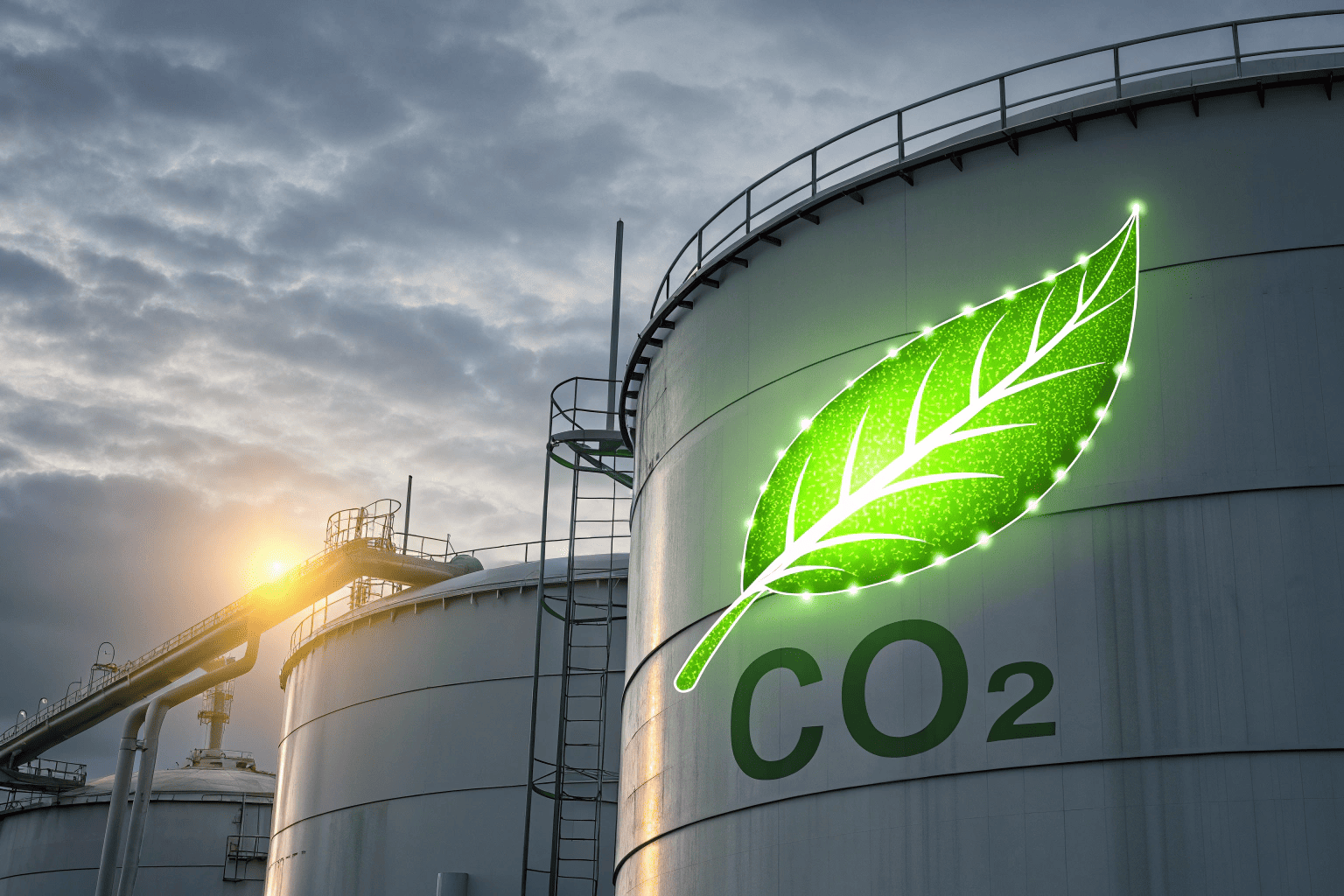
I get this question from experienced engineers all the time. The financial viability of a CO₂ plant hinges on its operating cost, and electricity is the single largest part of that cost. It's not just about capturing carbon; it's about doing it in a way that makes solid financial sense. The good news is that technology has come a long way. Our focus at FTL Machine is to design systems where the energy cost is so low that the return on investment becomes clear and compelling. Let's look at the numbers and the technology that makes this efficiency possible.
How much electricity does a CO₂ recovery unit typically consume?
You need to budget for operating costs to justify the project. An unknown or high electricity draw makes it impossible to calculate the ROI, putting your project approval at risk.
A typical system consumes between 0.12 and 0.25 kWh to produce one kilogram of liquid CO₂. The exact figure depends heavily on the CO₂ concentration in your source gas and the final storage pressure required.

The main power consumer in any recovery plant is the CO₂ compressor. It's doing the heavy lifting, taking low-pressure gas and squeezing it until it becomes a high-pressure liquid. The single biggest factor that determines energy use is the starting concentration of your gas. A source like a brewery fermentation tank, where the gas is already over 99% pure CO₂, requires the least energy. The compressor has to do less work. In contrast, flue gas from a boiler might only be 10% CO₂. Here, we must process a much larger volume of mixed gas to extract the same amount of CO₂, which naturally takes more energy. We always match the compressor size and type to the specific application. This ensures it operates at its most efficient point. Using a Variable Frequency Drive (VFD) is standard in our systems. A VFD allows the motor to adjust its speed based on gas flow, saving significant power during periods of lower production.
Key Factors in Power Consumption
| Factor | Impact on Energy Use | Example |
|---|---|---|
| Inlet CO₂ Concentration | Higher concentration means lower energy use | Brewery (>99% CO₂) vs. Flue Gas (<15% CO₂) |
| Cooling Water Temperature | Colder water reduces compressor work | 5°C cooler water can reduce power use by 5-10% |
| Compressor Technology | Modern, multi-stage designs are more efficient | Multi-stage compression with intercooling |
| Use of VFDs | Matches motor speed to load, saving power | Reduces motor speed during low gas flow periods |
What methods can improve recovery efficiency and reduce power use?
You need to maximize your return on investment. Standard efficiency is a good starting point, but you know there must be ways to optimize the process and unlock further savings.
The most effective methods are using Variable Frequency Drives (VFDs) on large motors, optimizing cooling systems, and selecting the right purification technology from the start. A system designed specifically for your gas source will always be the most efficient.
The biggest energy savings come from smart design choices made before we even build the system. A one-size-fits-all approach is never the most efficient. That's why we start every project with a detailed analysis of your raw gas stream. This allows us to select the perfect combination of technologies. For a relatively clean source like brewery gas, a simpler system with compression and filtration is best. For a more complex source like flue gas, an amine solvent system might be more energy-efficient overall, even though it seems more complex. It's all about matching the tool to the job.
Once the system is running, the VFD on the main compressor is your greatest tool for saving power. Gas flow from production lines is rarely constant. The VFD allows the compressor to slow down automatically when gas flow decreases, which can slash electricity consumption by 20-30% compared to a fixed-speed motor that runs at 100% all the time. Finally, we optimize cooling. Efficiently removing heat between compression stages makes the entire process easier and requires less energy from the motor.
Smart Design for Lower Energy Use
Efficiency is planned, not accidental.
- Application-Specific Design: We choose between different capture technologies (e.g., membrane vs. amine vs. direct compression) based on your gas source's concentration and flow rate to ensure the lowest possible energy profile.
- Variable Frequency Drives (VFDs): All our large motors are equipped with VFDs. This is non-negotiable for an energy-efficient plant. It ensures the system only uses the power it needs at any given moment.
- Optimized Cooling: We design our intercoolers and aftercoolers to work with your plant's cooling water system to achieve the lowest possible gas temperatures, reducing the work required from the compressor.
Is heat recovery possible during the CO₂ purification process?
Your plant already consumes a lot of energy for heating water and other processes. You see the CO₂ recovery system as a potential heat source, but you wonder if it is practical to capture it.
Yes, significant heat recovery is possible and practical. The heat generated during compression, which is normally sent to a cooling tower, can be captured to preheat boiler feedwater or provide hot water for plant processes.

The CO₂ compression process generates a large amount of useful heat. Think of it like a very large air compressor. As the gas is squeezed, it gets hot—very hot. In a standard setup, this heat is simply removed by the cooling water system and released into the atmosphere through a cooling tower. We see this as a huge missed opportunity. At FTL Machine, we engineer our systems to turn this waste heat into a valuable asset. This is one of my favorite topics to discuss with clients because it creates a second layer of savings. The compressor has to run anyway, so a heat recovery system captures this "free" energy and puts it to work elsewhere in your facility. We can integrate a simple heat exchanger that uses the hot compressor coolant to heat up water. This water, now at a useful temperature of 60-70°C, can be used for a wide range of applications.
Practical Applications for Recovered Heat
| Turning waste heat into a useful resource creates additional value. | Heat Source | Recovered Temperature | Common Applications |
|---|---|---|---|
| Compressor Intercooler | 50-70°C (122-158°F) | Preheating boiler feedwater to reduce fuel consumption. | |
| Compressor Oil Cooler | 60-70°C (140-158°F) | Providing hot water for cleaning (CIP) systems. | |
| Final Gas Cooler | 40-50°C (104-122°F) | Space heating for offices or warehouses in the winter. |
Conclusion
Today’s CO₂ recovery systems are designed for high energy efficiency. Through smart design, VFD technology, and practical heat recovery options, they provide a powerful financial and environmental return on investment.
You may also be interested in:
Why is CO₂ recovery technology gaining popularity worldwide?
Why is CO₂ recovery technology gaining popularity worldwide? You see headlines about carbon capture everywhere. But you wonder if it's
Read more
How is a CO₂ recovery system designed to fit different industries?
How is a CO₂ recovery system designed to fit different industries? You're under pressure to implement a CO₂ recovery solution.
Read more
How safe and reliable are modern CO₂ recovery systems?
How safe and reliable are modern CO₂ recovery systems? You're considering a CO₂ recovery system but worry about safety risks
Read more